Basic Principles of HVAC Equipments
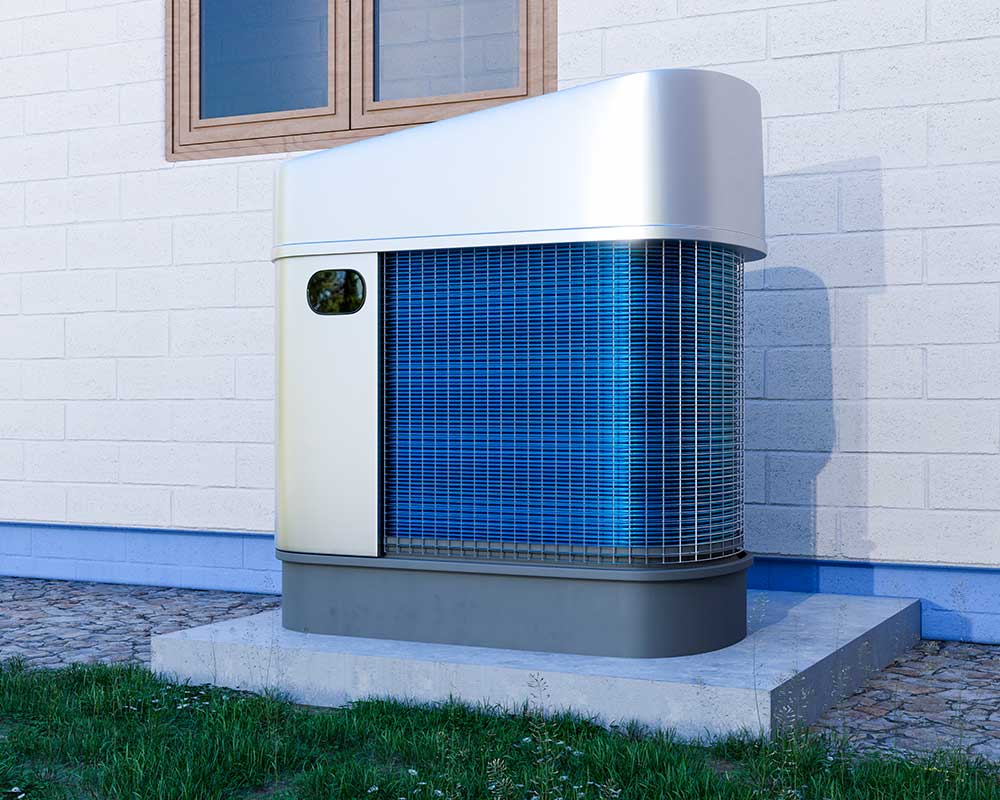
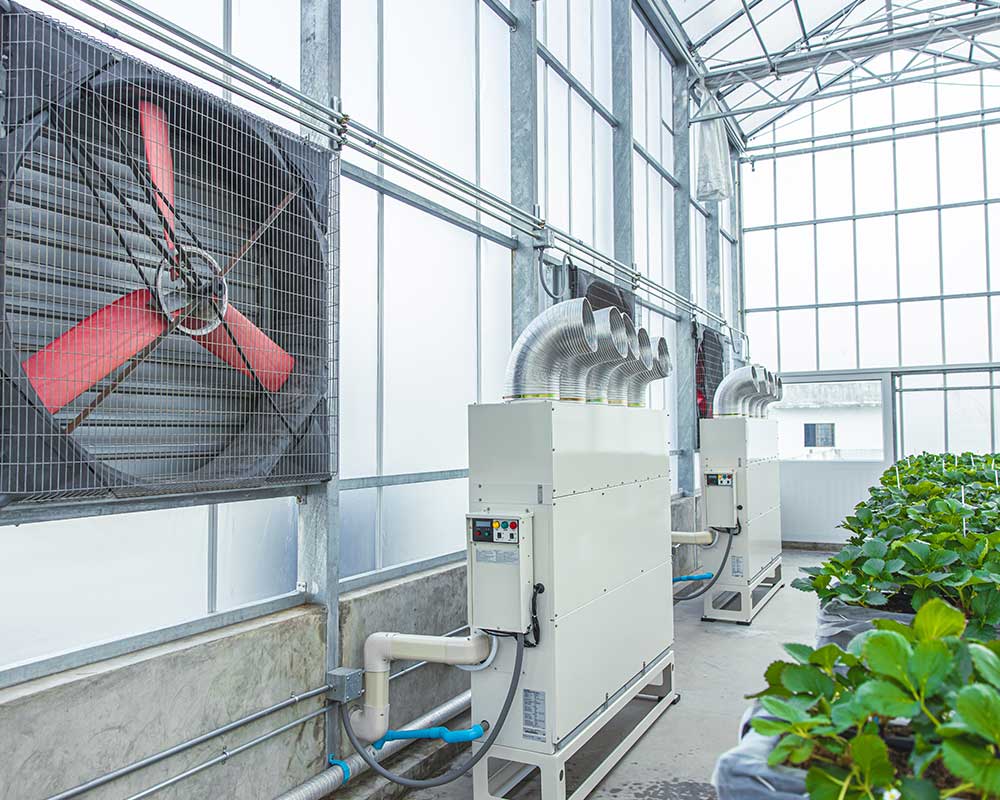
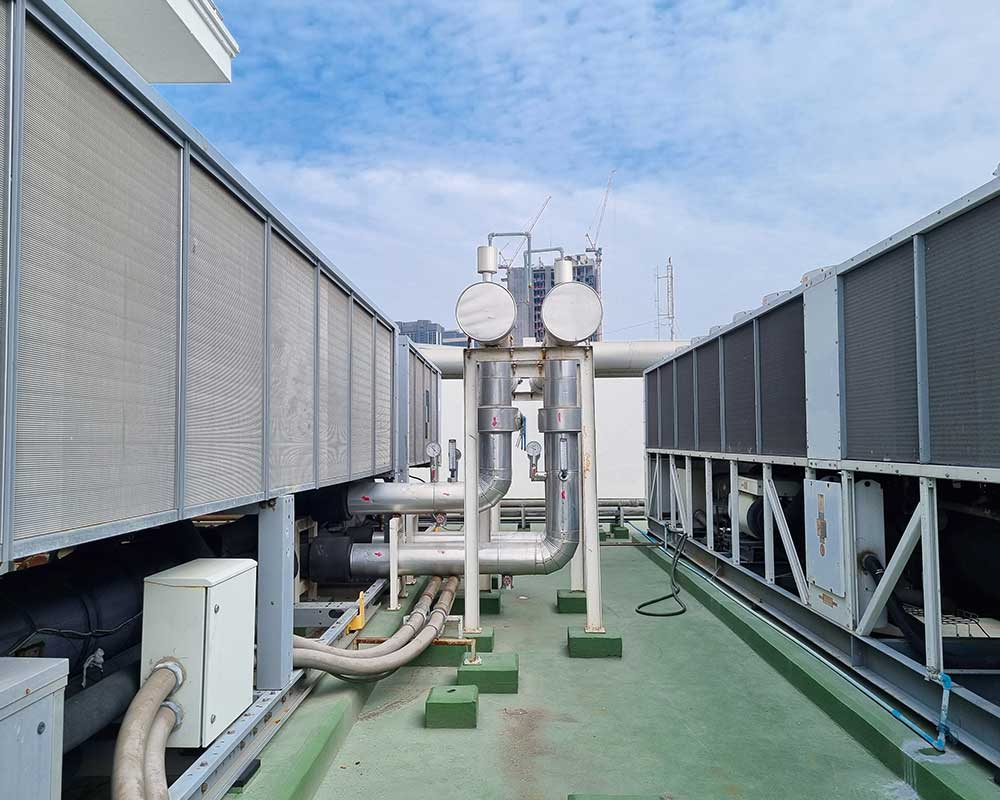
HVAC Equipments primarily control the temperature, humidity, and cleanliness of the air. These machines use various technologies to enhance indoor air quality and achieve the desired comfort level. The main components of air conditioning systems include:
- Refrigerant: A chemical substance that controls the temperature of the air by absorbing or releasing heat.
- Compressor: A device that compresses the refrigerant, increasing its temperature.
- Evaporator and Condenser: Heat exchangers that facilitate temperature changes.
- Fans and Motors: Components that circulate air throughout the system.
The Role of Engineering
Engineering plays a critical role in the design, production, and improvement of HVAC systems. Engineers continuously develop new solutions to enhance the efficiency of these systems, reduce energy consumption, and minimize their environmental impact. Here are some key areas where engineers focus:
- Energy Efficiency: Reducing the energy consumption of HVAC systems is essential for lowering costs and mitigating environmental impact. Engineers develop new technologies that provide more cooling or heating with less energy.
- Sustainability: Using eco-friendly refrigerants and recyclable materials can reduce the environmental footprint of air conditioning systems. Engineers research and implement these innovative solutions.
- Smart Systems: With advancing technology, HVAC systems are becoming increasingly intelligent and user-friendly. IoT (Internet of Things) and AI (Artificial Intelligence) supported systems help users save energy and optimize comfort levels.
Future HVAC Technologies
HVAC engineering is a continuously evolving field, and it is expected to advance even further in the future. Here are some innovations we can anticipate:
- Green Energy Integration: HVAC systems powered by solar energy and other renewable sources have significant potential to reduce energy costs and minimize environmental impact.
- Advanced Filtration Systems: Next-generation filter systems are being developed to improve air quality and more effectively filter out allergens and pollutants.
- Modular and Flexible Designs: Modular air conditioning systems allow for easy adaptation to different spaces and needs, reducing both installation and maintenance costs.
Air conditioning systems are essential for providing comfortable and healthy living environments. The engineering behind these systems is constantly evolving, offering innovative and eco-friendly solutions that shape our future. Advances in energy efficiency, sustainability, and smart technologies highlight how crucial and dynamic the field of air conditioning engineering is. Engineering firms that produce air conditioning equipment contribute to a more livable world through their leadership and innovations in this area.